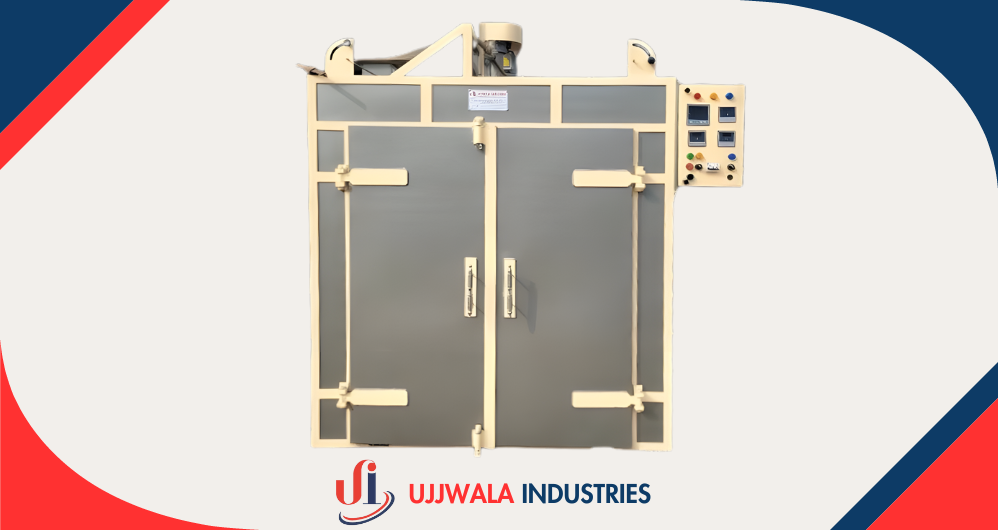

Industrial Dryer

Use Of Product / Advantages

Efficient Moisture Removal: Industrial dryers are designed to efficiently remove moisture from materials, whether they are in the form of liquids, solids, or sludges. This process is crucial for improving the quality and shelf life of products, as well as preventing microbial growth.

Increased Product Quality: By removing excess moisture, industrial dryers contribute to improved product quality. This is especially important in industries such as food processing, pharmaceuticals, and chemicals, where moisture content can affect the physical and chemical properties of the final product.

Enhanced Productivity: Industrial dryers facilitate faster drying times, leading to increased production efficiency. Reduced drying times can result in higher throughput, allowing manufacturers to meet production demands more effectively.

Energy Efficiency: Many modern industrial dryers are designed with energy-efficient features, such as improved insulation, advanced heat exchanges, and optimized airflow. This helps to reduce energy consumption and operational costs, making the drying process more sustainable.

Customization and Flexibility: Industrial dryers come in various types, including rotary dryers, fluidized bed dryers, tray dryers, and more. This diversity allows manufacturers to choose a dryer that is specifically suited to their materials and production requirements, providing flexibility in processing different types of products.

Uniform Drying: Some industrial dryers, such as fluidized bed dryers and conveyor dryers, offer uniform drying, ensuring consistency in the final product. This is essential for industries where product quality and specifications are critical.

Reduced Labor Requirements: Automated features in industrial dryers can contribute to a reduction in labor requirements. This is particularly beneficial for continuous or large-scale production processes where manual intervention may be time-consuming and costly.

Process Control: Industrial dryers often come equipped with advanced control systems that allow manufacturers to precisely monitor and control various parameters such as temperature, humidity, and airflow. This level of control ensures that the drying process is optimized for the specific materials being processed.

Reduced Environmental Impact: The efficient removal of moisture from materials in industrial dryers can contribute to environmental sustainability by reducing the need for additional processing steps or disposal of waste products with high moisture content.

Compliance with Industry Standards: Industrial dryers are designed to meet industry-specific standards and regulations, ensuring that the drying process complies with safety and quality requirements.

Applications

Oil and Gas Industry: Drying of Natural Gas: Industrial dryers are used to remove moisture from natural gas in the gas processing industry.

Electronics Manufacturing: Drying of Electronic Components: Industrial dryers are used to dry electronic components after cleaning processes in electronics manufacturing.

Food Industry: Drying of Fruits and Vegetables: Industrial dryers are used to remove moisture from fruits and vegetables, preserving them for longer shelf life.

Dehydrating Meats: Drying is employed to reduce moisture content in meat products, extending their storage life.

Pharmaceuticals: Drying of Pharmaceuticals: In pharmaceutical manufacturing, industrial dryers are used to remove moisture from drugs and pharmaceutical products, ensuring stability and efficacy.

Chemical Industry: Drying of Chemicals: Industrial dryers play a crucial role in the chemical industry for drying various chemical products, ensuring quality and preventing degradation.

Textile Industry: Drying Fabrics and Garments: Industrial dryers are crucial in textile manufacturing for drying fabrics, yarns, and finished garments.

Printing Industry: Drying Inks and Coatings: In printing, industrial dryers are used to dry inks and coatings on paper, textiles, or other substrates.

Paint and Coating Industry: Drying Paint and Coatings: Industrial dryers play a vital role in the paint and coating industry to evaporate solvents and achieve the desired finish.

Mineral Processing: Drying Minerals and Ores: Industrial dryers are used to remove moisture from minerals and ores in the mining and mineral processing industries.

Ceramics and Pottery: Drying Clay Products: In ceramics and pottery, industrial dryers help in drying clay products, such as tiles, bricks, and pottery items. Paper Industry: Drying Paper Pulp: Industrial dryers are crucial in the paper industry for drying paper pulp before it is formed into sheets.

Woodworking Industry: Drying Wood Products: Industrial dryers are employed in woodworking for drying wood products like lumber and plywood.

Environmental Applications: Drying Sludge: Industrial dryers are used in wastewater treatment plants to dry sludge before disposal. Biomass Processing: Drying Biomass: In the production of biofuels and other biomass-based products, industrial dryers are used to reduce the moisture content of biomass materials.

Plastics Manufacturing: Drying Plastic Pellets: In the plastics industry, industrial dryers are used to remove moisture from plastic pellets before molding.

Features

Drying Chamber: The main compartment where the material to be dried is placed. The size and shape of the drying chamber depend on the specific application and the type of dryer.

Conveyor Belt (For Belt Dryers): Belt dryers utilize a conveyor belt to transport the material through the drying chamber, ensuring continuous and uniform drying.

Trays: Tray dryers have trays, shelves, or racks where the material is placed in layers. Hot air circulates around the trays to facilitate drying.

Air Circulation System: A fan or blower system circulates heated air or other drying mediums within the drying chamber. Proper air circulation is essential for efficient drying.

Heating System: The heating system generates the heat required for the drying process. Depending on the type of industrial dryer, this can include electric heaters, gas burners, steam coils, or infrared heaters.

Temperature Control: A temperature control system regulates the temperature within the drying chamber. This ensures that the drying process is conducted at the desired temperature for the specific material. Humidity Control (Optional): Some industrial dryers incorporate humidity control systems to manage the moisture content in the drying chamber, especially in applications where precise humidity levels are critical.

Exhaust System: An exhaust system removes moisture or other by-products from the drying chamber, maintaining the desired conditions for effective drying.

Control Panel: The control panel houses instruments and controls for monitoring and adjusting drying parameters. This includes settings for temperature, humidity, and drying time.

Safety Features: Industrial dryers may include safety features such as over-temperature protection, emergency stop buttons, and alarms to ensure safe operation.

Variable Speed Control (For Some Dryers): Some industrial dryers offer variable speed control to adjust the drying process based on the specific requirements of the material being processed.

Insulation: Insulation material is used to minimize heat loss and improve energy efficiency during the drying process. This is particularly important for large-scale industrial dryers.


Technical Specifications

Loading capacity10-12 Trays20-24 Trays25 Trays48-50 Trays96-100 Trays192-200 Trays
No of DoorsOneOneOneOneTwoTwo
No of BlowersTwoTwoTwoTwoTwoFour
No of motors /
H.P.3 Phase 415
Volts .
2/ 0.5 H.P.single phase 240 volt
1400 rpm
2 / 0.5 H.P.single
phase 240 volts 240 rpm
2 / 0.5 H.P.single
phase 240 volts 240 rpm
2/1 H.P.Three phase
415 volts 1400 rpm
2/1 H.P.Three phase
415 volts 1400 rpm
2 / 2 H.P.eachThree
phase 415 volts 1400 rpm
Electrical Heating
Load for 100 ° C /
200 ° C / 300 ° C
3kw6kw8kw12kw24kw36kw
Insulation in
mm100 ° C / 200 ° C
/ 300 ° C
505050757575
No of TrolleysRack SystemRack SystemRack SystemOneTwoFour
Tray Size32x16x1.5 Inch32x16x1.5 Inch32x16x1.5 Inch32x16x1.5 Inch32x16x1.5 Inch32x16x1.5 Inch
Trolley DimensionFixed RacksFixed RacksFixed RacksMovable TrolleyMovable TrolleyMovable Trolley