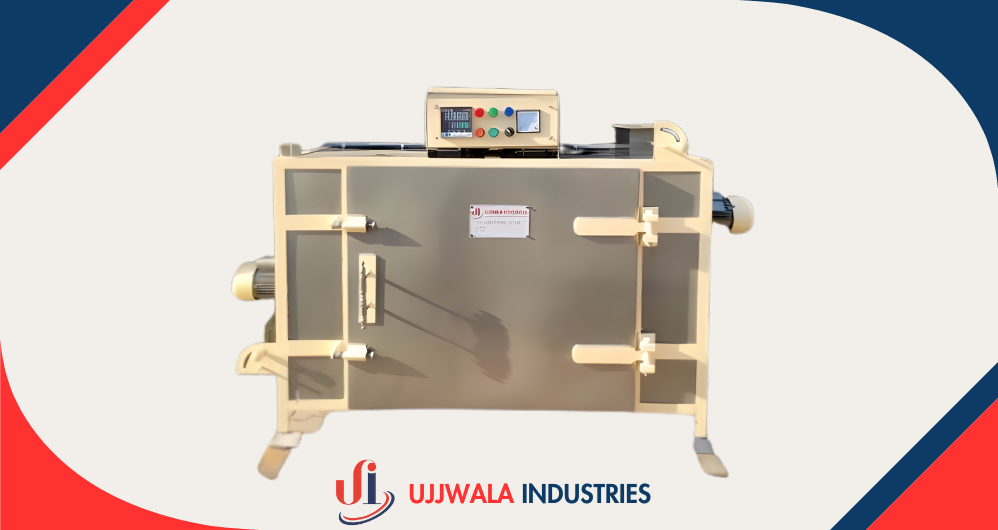

Garlic Dryer

Use Of Product / Advantages

Consistent Drying: Garlic dryers provide a controlled environment with consistent temperature and airflow, ensuring uniform drying throughout the batch. This results in a more consistent product quality compared to sun drying or other less controlled methods.

Efficient and Quick Drying: Garlic dryers can significantly reduce the drying time compared to natural drying methods. This efficiency is especially beneficial for large-scale garlic processing, allowing for quicker turnaround times and increased production capacity.

Preservation of Nutritional Value: Properly designed garlic dryers can help preserve the nutritional value of garlic by minimizing the exposure to high temperatures and reducing the overall drying time. This is crucial for retaining the flavor, aroma, and health benefits of garlic.

Prevention of Spoilage: Controlled drying in a garlic dryer helps prevent spoilage by removing moisture efficiently. Reduced moisture content inhibits the growth of bacteria, molds, and other microorganisms that can cause deterioration and spoilage.

Quality Improvement: Garlic dried using dedicated equipment tends to have better color, flavor, and texture compared to garlic dried under uncontrolled conditions. The controlled drying environment helps maintain the desirable qualities of garlic.

Cost-Effective: While the initial investment in a garlic dryer may be significant, the operational efficiency and faster drying times can result in cost savings in the long run. Reduced labor costs and energy efficiency contribute to the overall cost-effectiveness of using a garlic dryer.

Year-Round Availability: With a garlic dryer, it becomes possible to dry garlic year-round, regardless of weather conditions. This is particularly advantageous in regions with unpredictable weather patterns, where natural drying may be challenging.

Flexibility in Processing: Garlic dryers provide flexibility in processing different varieties and quantities of garlic. The adjustable temperature and airflow settings allow for customization based on the specific characteristics of the garlic being dried.

Hygienic Processing: Garlic dryers contribute to hygienic processing by providing a controlled environment that minimizes the risk of contamination. This is crucial for producing high-quality, safe-to-consume dried garlic products.

Reduced Dependency on Weather: Unlike sun drying, which is weather-dependent, garlic dryers allow for consistent drying regardless of external weather conditions. This is especially important in regions with high humidity or frequent rainfall.

Increased Market Value: Well-dried garlic with preserved quality attributes can fetch a higher market value. Using a garlic dryer allows producers to offer a premium product that meets quality standards consistently.

Customized Drying Conditions: Garlic dryers offer the ability to customize drying conditions such as temperature, humidity, and airflow. This customization allows for optimal drying based on the specific requirements of garlic varieties and end products.

Applications

Dried garlic is processed into dehydrated forms such as garlic flakes, granules, and powder for use in food manufacturing.

Features

Chamber: The primary space where garlic bulbs or cloves are placed for drying. The chamber is designed to provide controlled conditions for the drying process.

Trays: Trays are used to hold the garlic bulbs or cloves within the drying chamber. They are arranged to allow proper airflow around the garlic for uniform drying.

Heating System: The heating system generates the warm air needed for the drying process. This can include electric heaters, gas burners, or other methods depending on the dryer's design.

Air Circulation System: A fan system circulates air within the drying chamber. This ensures that warm, dry air reaches all surfaces of the garlic, promoting even drying.

Exhaust System: An exhaust system helps remove moisture or water vapor generated during the drying process. This is crucial for maintaining the desired conditions within the drying chamber.

Control Panel: The control panel houses instruments and controls for monitoring and adjusting drying parameters. This may include temperature controllers, timers, and settings to regulate the drying process.


Technical Specifications

Loading capacity10-12 Trays20-24 Trays25 Trays48-50 Trays96-100 Trays192-200 Trays
No of DoorsOneOneOneOneTwoTwo
No of BlowersTwoTwoTwoTwoTwoFour
No of motors /
H.P.3 Phase 415
Volts .
2/ 0.5 H.P.single phase 240 volt
1400 rpm
2 / 0.5 H.P.single
phase 240 volts 240 rpm
2 / 0.5 H.P.single
phase 240 volts 240 rpm
2/1 H.P.Three phase
415 volts 1400 rpm
2/1 H.P.Three phase
415 volts 1400 rpm
2 / 2 H.P.eachThree
phase 415 volts 1400 rpm
Electrical Heating
Load for 100 ° C /
200 ° C / 300 ° C
3kw6kw8kw12kw24kw36kw
Insulation in
mm100 ° C / 200 ° C
/ 300 ° C
505050757575
No of TrolleysRack SystemRack SystemRack SystemOneTwoFour
Tray Size32x16x1.5 Inch32x16x1.5 Inch32x16x1.5 Inch32x16x1.5 Inch32x16x1.5 Inch32x16x1.5 Inch
Trolley DimensionFixed RacksFixed RacksFixed RacksMovable TrolleyMovable TrolleyMovable Trolley